Introduction to Web4 and the Emergence of Web4
Web4 represents the evolution of the internet toward decentralized infrastructure, cryptographic ownership, and peer to peer value exchange. It introduces systems where users and organizations interact directly through verifiable, programmable networks rather than centralized intermediaries.
As adoption increases, new structural requirements have emerged particularly around long term security, institutional trust, and post quantum resilience.
Web4 describes the next architectural phase of decentralized networks infrastructure designed to remain secure, interoperable, and governable in a quantum computing era.
The Quantova network is engineered within this Web4 paradigm, combining decentralized execution with quantum resistant cryptography, enterprise grade governance, and regulatory aware design.
From the Early Web to Decentralized Infrastructure
The internet has evolved through successive architectural phases, each expanding functionality while introducing new dependencies and risks. Understanding this progression is essential for evaluating modern decentralized systems.
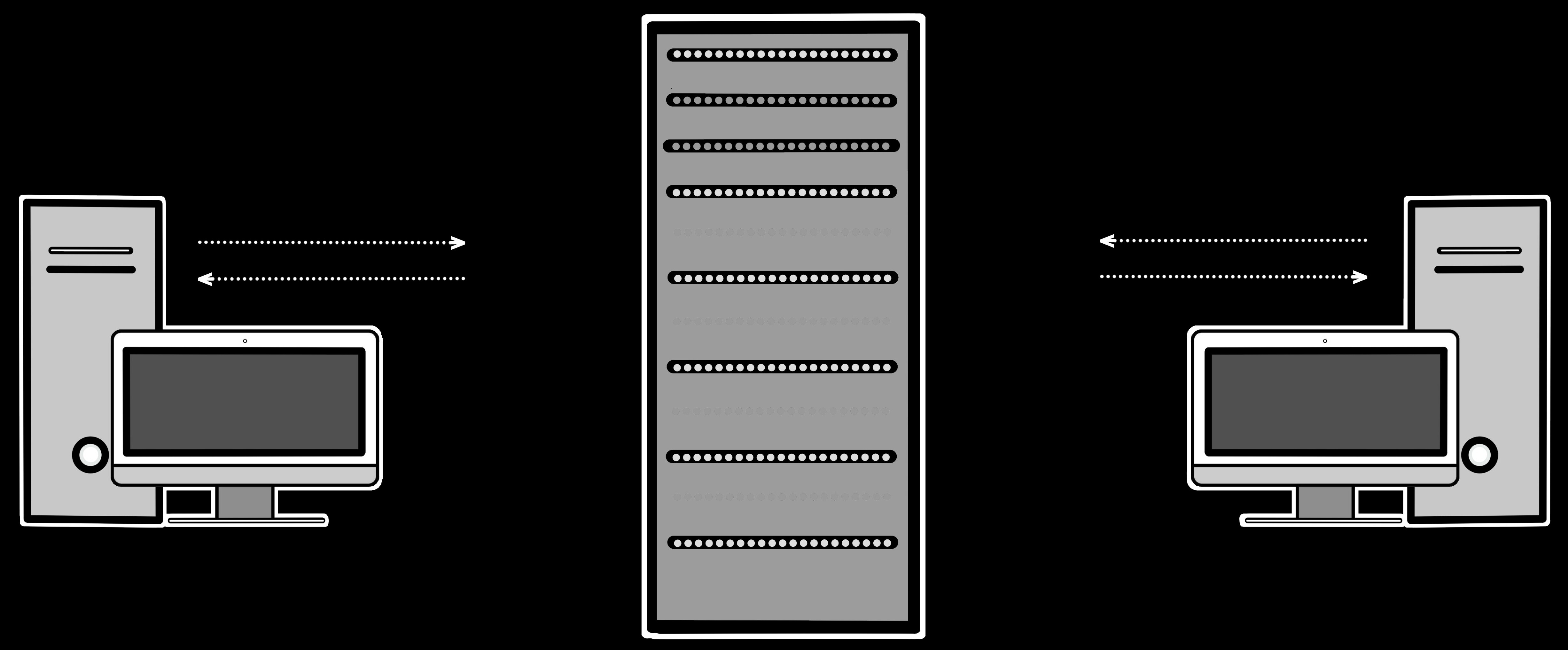
Web 1.0 Static Information Networks
Web 1.0 enabled global access to information through static, read only websites.
Interaction was minimal, and users acted primarily as consumers of centrally hosted content.
Web 2.0 Platform Driven Interaction
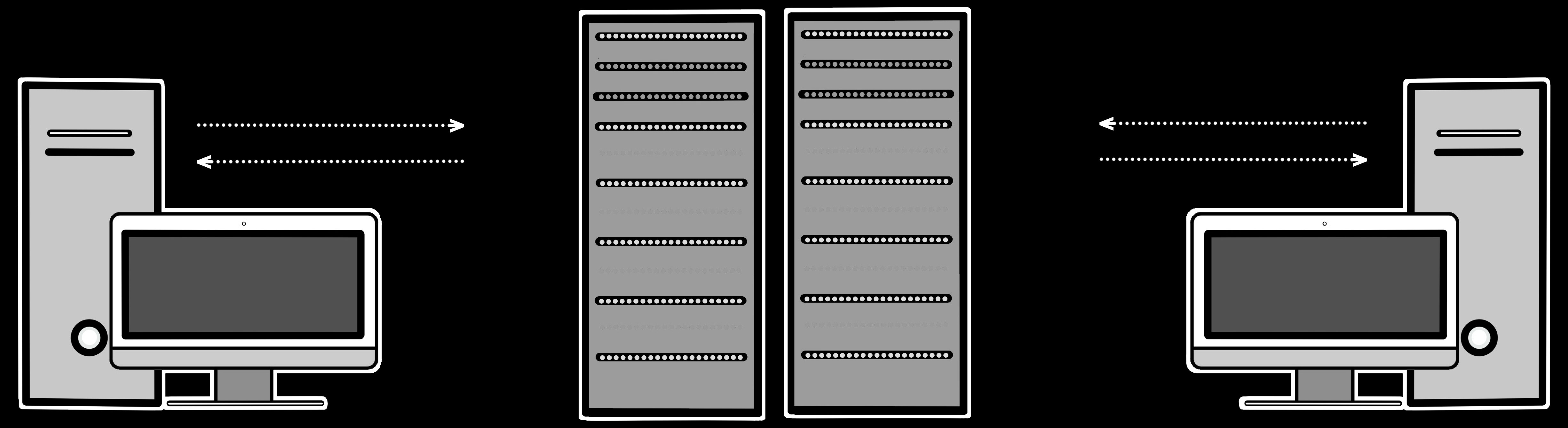
Web 2.0 introduced user generated content, social platforms, and cloud services.
While interaction expanded significantly, control became concentrated within large centralized service providers.
Web 3.0 Decentralized Ownership
Web 3.0 introduced blockchain networks, enabling users to hold digital assets, execute smart contracts, and interact without centralized intermediaries.
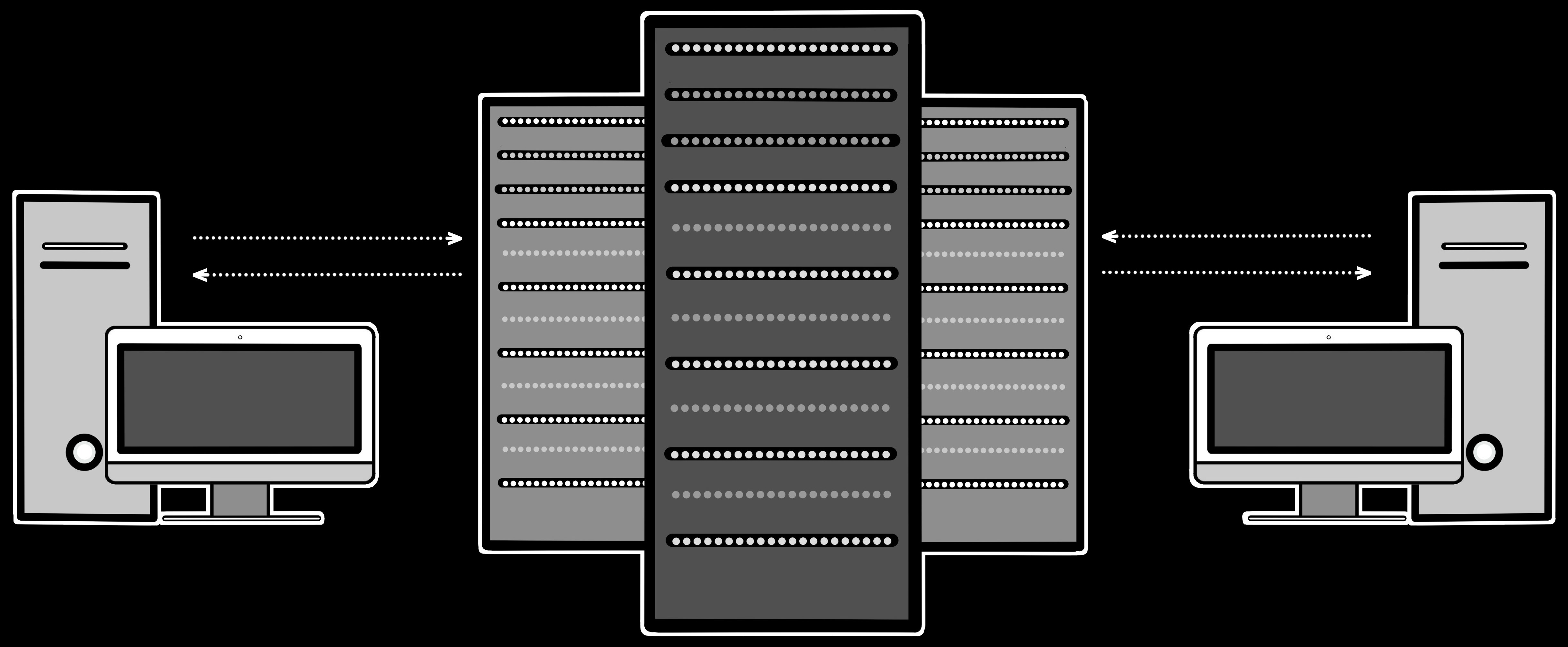
This phase established
- Cryptographic ownership
- Programmable value transfer
- Open participation
However, most Web4 systems rely on cryptographic assumptions vulnerable to future quantum advances.
Why Web4 Is Emerging
Web4 responds to structural challenges identified in Web4, including
- Long term cryptographic resilience
- Institutional compliance requirements
- Infrastructure level governance
- Enterprise deployment needs
It represents an evolution, not a rejection, of Web4 principles.
Core Principles of Web4
Web4 infrastructure is designed around
- Quantum resistant security models
- Deterministic execution environments
- Governance aware protocol design
- Interoperability with existing systems
Quantova’s architecture reflects these principles at the protocol level.
Digital Ownership and Control
Web4 preserves user and organizational control over digital assets while enabling compliance ready custody, auditability, and permissioning where required.
Ownership is cryptographically verifiable and protocol enforced.
Network Neutrality and Resilience
Decentralized infrastructure must remain operational under adversarial conditions, regulatory fragmentation, and technological change.
Quantova emphasizes network neutrality, fault tolerance, and cryptographic longevity.
Decentralized Governance Models
Governance in Web4 systems moves beyond informal token voting toward structured, auditable, and policy aware mechanisms suitable for public sector and enterprise participation.
Identity and Trust Infrastructure
Web4 systems support decentralized identity frameworks that enable verification without centralized data custody, supporting privacy, compliance, and cross border interoperability.
Native Value and Settlement Layers
Quantova enables native value transfer through QTOV, providing settlement finality, execution payment, and network security participation within a unified protocol layer.
Get QtovStructural Limitations of Web4
Current Web4 systems face challenges related to
- Quantum vulnerability
- Scalability under institutional load
- Regulatory integration
- Governance clarity
Web4 architecture addresses these limitations at the infrastructure level.
Accessibility and Institutional Adoption
For decentralized systems to achieve broad adoption, they must be accessible to
- Governments
- Enterprises
- Developers
- End users
Quantova is designed to support this transition without compromising decentralization principles.
Final Positioning Statement
Quantova operates at the intersection of decentralized systems and quantum secure infrastructure, representing an early implementation of Web4 architectural principles while remaining compatible with existing Web4 ecosystems.